
Amy Tan’s novel The Hundred Secret Senses is a work in which reality and magic are closely intertwined, and the past and present are connected through personal and cultural memory. At the center of the narrative are the relationships between two sisters, Olivia and Kwan, whose differences in perceiving the world create tension but also offer a unique perspective on the spiritual and magical aspects of human life. One of the central elements of the novel is the use of ideas of past lives and heightened perception, expressed through the concept of “yin eyes,” which allows Tan to explore complex questions of family connection, generational memory, and cultural identity.
Understanding the magical and spiritual aspects of the novel is important not only for analyzing Tan’s literary world but also for studying how literature can transmit cultural memory, integrate myths and magical concepts into daily life, and demonstrate how history is preserved through personal experience.
 Heightened Perception and the “Yin Eyes”
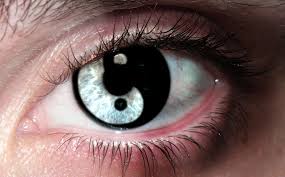
One of the central magical concepts in the novel is the ability to see “yin,” or past lives and the spiritual presence of the deceased. Kwan, the younger sister, possesses “yin eyes,” which allow her to perceive the spiritual world and access ancestral memory. Tan presents this perception not as mere fantasy, but as a special way of interacting with cultural heritage.
“Yin eyes” give Kwan the ability to witness past events that other characters are unaware of and to feel the presence of those who have passed away. These magical scenes serve not simply as entertainment but as a symbolic means of highlighting the importance of memory, family bonds, and inheritance.
Through this heightened perception, Tan explores the idea that generations are connected not only biologically but also spiritually. The past shapes the present, and the memories of ancestors can actively influence personal and emotional growth.
Past Lives and Cultural Memory
The idea of past lives in the novel manifests through Kwan’s stories of her previous incarnations and through the memories of spirits she encounters. These elements allow Tan to incorporate Chinese cultural notions of reincarnation and spiritual continuity into the text.
For example, Kwan experiences events that occurred centuries ago, and these events influence her relationship with Olivia. Magical memories of past lives become a means of understanding one’s own identity and family history. For Kwan and Olivia, as well as for the reader, the past is not an abstract concept; it lives in the present, affecting emotions, choices, and perception.
Through the motif of past lives, Tan also emphasizes a transformation in the perception of reality. Magic in the novel does not exclude rational explanation but expands the boundaries of experience, allowing characters to perceive deeper connections between events, people, and time.
Intergenerational Connection
The novel actively explores intergenerational relationships, and the magical element is a key tool in this exploration. Kwan’s ability to see the past and the spiritual world allows the sisters to reassess their relationship and better understand each other’s motivations.
For instance, Olivia, who perceives the world rationally and skeptically, confronts Kwan’s spiritual abilities and gradually begins to recognize their significance. Magic and heightened perception become a bridge between generations: through them, older and younger family members can share experiences, memories, and values that might otherwise be lost.
Thus, Tan demonstrates that magical perception of the past does not undermine the rational world but complements it, creating space for a deeper understanding of family and cultural continuity.
Magic as a Means of Preserving Cultural Identity
Amy Tan uses elements of magical realism to show how culture is transmitted across generations. “Yin eyes” and past-life memories allow characters to maintain a connection with Chinese cultural heritage even while living in the United States.
Through magical experiences, Tan explores the question of cultural identity in the context of immigration. Kwan and Olivia, living in America, perceive their heritage differently: the younger sister through magic and spiritual visions, the older sister through rational, everyday experience. Yet the magical element renders culture tangible, alive, and dynamic rather than merely a relic of the past.
Magic becomes a tool for overcoming cultural gaps, preserving ancestral memory, and integrating it into contemporary life. This is particularly important for immigrant and multicultural communities, where connections to history may easily be lost.
The Symbolic Meaning of the “Yin Eyes”
Kwan’s ability to see the spiritual world carries multiple layers of symbolic significance. First, it reveals the inner world of the character—her emotional and psychological traits. Second, “yin eyes” symbolize the ability to perceive hidden connections among people, events, and generations.
Through this motif, Tan conveys that the magical and spiritual are present in everyday life for those who are receptive. It expands the narrative: reality in the novel is not limited to the physical world but includes psychological and spiritual dimensions.
Magic thus becomes a tool for understanding and self-discovery, fostering harmony within the family and reinforcing cultural memory.
Magic and Personal Development
Elements of heightened perception and past lives in the novel are not merely decorative; they facilitate the characters’ personal growth. Kwan, through her “yin eyes,” recognizes the value of her abilities and learns to accept herself and her emotions. Olivia, confronted with her sister’s magical world, begins to reconsider her own assumptions about life, family, and culture.
Thus, magic and the spiritual in the novel are a means of exploring personal and familial identity, seeing continuity in human experience, and understanding the past’s role in shaping the present.
The Influence of the Magical on the Narrative
The use of the magical allows Tan to construct a nonlinear narrative: past and present intertwine, and events from past lives become key to understanding present conflicts and relationships.
Through the “yin eyes,” readers gain access to information unavailable to other characters, creating tension and depth in the narrative. The magical element enriches the plot, making it multilayered and symbolically complex.
Magic as a Cultural Bridge
Amy Tan employs the magical and spiritual not only as a literary device but also as a way to illustrate connections across generations and cultures. “Yin eyes” allow characters to preserve knowledge of their ancestors and integrate cultural myths and symbols into everyday life.
Through magic, Tan shows that culture is not only written texts or historical documents but also living memory, transmitted through personal experience, storytelling, and spiritual perception.
Key Takeaways
- “Yin eyes” and heightened perception allow characters to see the past and spiritual world, expanding the boundaries of reality
- Past lives in the novel serve to preserve cultural memory and personal identity
- Magic acts as a bridge for intergenerational connection and understanding of family
- The supernatural integrates into everyday experience, linking past and present
- Through magic, Tan explores issues of immigration, cultural identity, and heritage
Conclusion
In The Hundred Secret Senses, Amy Tan skillfully blends the magical and spiritual with a realistic narrative structure. “Yin eyes,” past lives, and spiritual visions serve as instruments through which intergenerational relationships, cultural memory, and personal development are revealed.
Magical perception in the novel does not undermine the rational world; it complements it, allowing characters to perceive hidden connections among people, events, and generations. Tan demonstrates that the spiritual and magical are inseparable from human experience: they help individuals understand themselves, preserve cultural heritage, and strengthen the connection between past and present.