
Virgil’s Aeneid occupies a central place in the Western literary canon, not merely as a work of epic poetry but as a vehicle for exploring Roman identity, history, and cultural memory. Written during the early years of Augustus’ reign, the poem intertwines mythological narrative with historical consciousness, presenting the journey of Aeneas as both a legendary tale and a reflection on Rome’s origins and moral ideals. For students of classical literature, historians, and cultural theorists, understanding how Virgil fuses myth and history illuminates the ways literature shapes national identity and collective memory.
Myth as a Framework for Cultural Values

At its core, the Aeneid uses myth to encode Roman cultural values and virtues. Aeneas embodies pietas, the devotion to family, gods, and country, serving as a model for Roman ethical conduct. The mythical narrative—Trojan exile, encounters with gods, and the eventual founding of a new city—provides a flexible framework through which Virgil articulates moral exemplars and civic ideals.
Myth allows Virgil to elevate narrative stakes, transforming personal struggle into collective meaning. Encounters with divine forces, such as Jupiter’s decrees or Venus’ protection, frame human action within a cosmic order, emphasizing the ethical responsibilities of leaders and citizens alike. By presenting mythological events as both narrative and symbolic, Virgil communicates the ethical and cultural imperatives that underpinned Roman self-conception.
Historical Consciousness in the Epic
While myth provides the narrative scaffolding, historical consciousness grounds the Aeneid in Rome’s political and social reality. The poem reflects the turmoil of the late Republican period and the consolidation of power under Augustus. Through Aeneas’ journey, Virgil allegorically addresses civil strife, displacement, and the necessity of order. The epic does not merely recount legendary origins; it interprets them in light of contemporary concerns, providing moral instruction for a society recovering from decades of conflict.
Augustus and the Roman Destiny
Augustus’ role in shaping Roman identity is implicit throughout the epic. By linking Aeneas’ destiny to the eventual founding of Rome, Virgil situates contemporary political authority within a mythic framework. This connection legitimizes the Augustan regime while framing imperial ambition as aligned with divine will. The historical consciousness embedded in the narrative emphasizes continuity between past and present, highlighting the ethical and political obligations of both leaders and citizens.
Blending Myth and History Through Narrative Structure
Virgil’s narrative strategy allows myth and history to coexist seamlessly. The episodic structure—ranging from Troy’s fall to Aeneas’ arrival in Italy—interweaves legendary events with historical resonance. Scenes such as the meeting with Anchises in the underworld blend mythological imagery with prophetic insight, presenting Rome’s historical trajectory as divinely guided yet contingent upon human virtue.
The juxtaposition of epic battles and personal struggles reinforces the intersection of individual action and collective destiny. For example, the conflict with Turnus embodies political and moral tensions, while Aeneas’ leadership decisions model the ethical exercise of authority. Through this interplay, Virgil transforms mythic narrative into a lens for understanding the responsibilities, challenges, and ideals of historical actors.
Allegory and Symbolism in Roman Identity
Symbolism and allegory enhance the Aeneid’s capacity to convey Roman identity. Geographical spaces, objects, and even events carry layered meanings that resonate with cultural and historical significance. Carthage, for instance, represents both a political rival and a moral test, while the fall of Troy symbolizes the costs of conflict and the resilience required for cultural continuity.
The use of allegorical figures, such as Dido or the gods themselves, further conveys ethical and political lessons. Dido embodies the tension between personal desire and duty, highlighting the primacy of collective destiny over individual inclination. Divine interventions, meanwhile, symbolize the moral and cosmological order that governs history. These elements ensure that mythic narrative operates not merely as entertainment but as a medium for cultural reflection and identity formation.
Ethical Dimensions of Leadership and Citizenship
The Aeneid repeatedly explores the ethical responsibilities of leaders and citizens within historical and mythological frameworks. Aeneas’ pietas guides his decisions, balancing personal desire with duty to family, community, and the gods. This emphasis on ethical leadership aligns with Roman conceptions of civic virtue, reinforcing the idea that personal morality is inseparable from social and political responsibility.
Citizenship is likewise framed through moral conduct and participation in collective destiny. Virgil suggests that Rome’s greatness derives not merely from conquest but from adherence to ethical norms, cooperation with divine and natural order, and commitment to communal well-being. Myth and history together provide a model for ethical engagement, illustrating how personal virtue and political responsibility intersect.
The Role of Prophecy and Divine Intervention
Prophecy and divine intervention are central mechanisms through which Virgil fuses myth with historical consciousness. Prophetic visions, particularly in the underworld episode, connect Aeneas’ actions to Rome’s future, providing both narrative cohesion and moral instruction. The gods’ interventions reinforce the interplay between fate and human agency, reminding readers that historical outcomes depend upon both ethical conduct and adherence to cosmic order.
This duality—fate shaping history while human action remains consequential—underscores the ethical stakes of leadership and civic engagement. By integrating divine guidance with human decision-making, Virgil presents a sophisticated understanding of history as a moral and ethical process, not merely a sequence of events.
Influence on Roman Cultural Identity
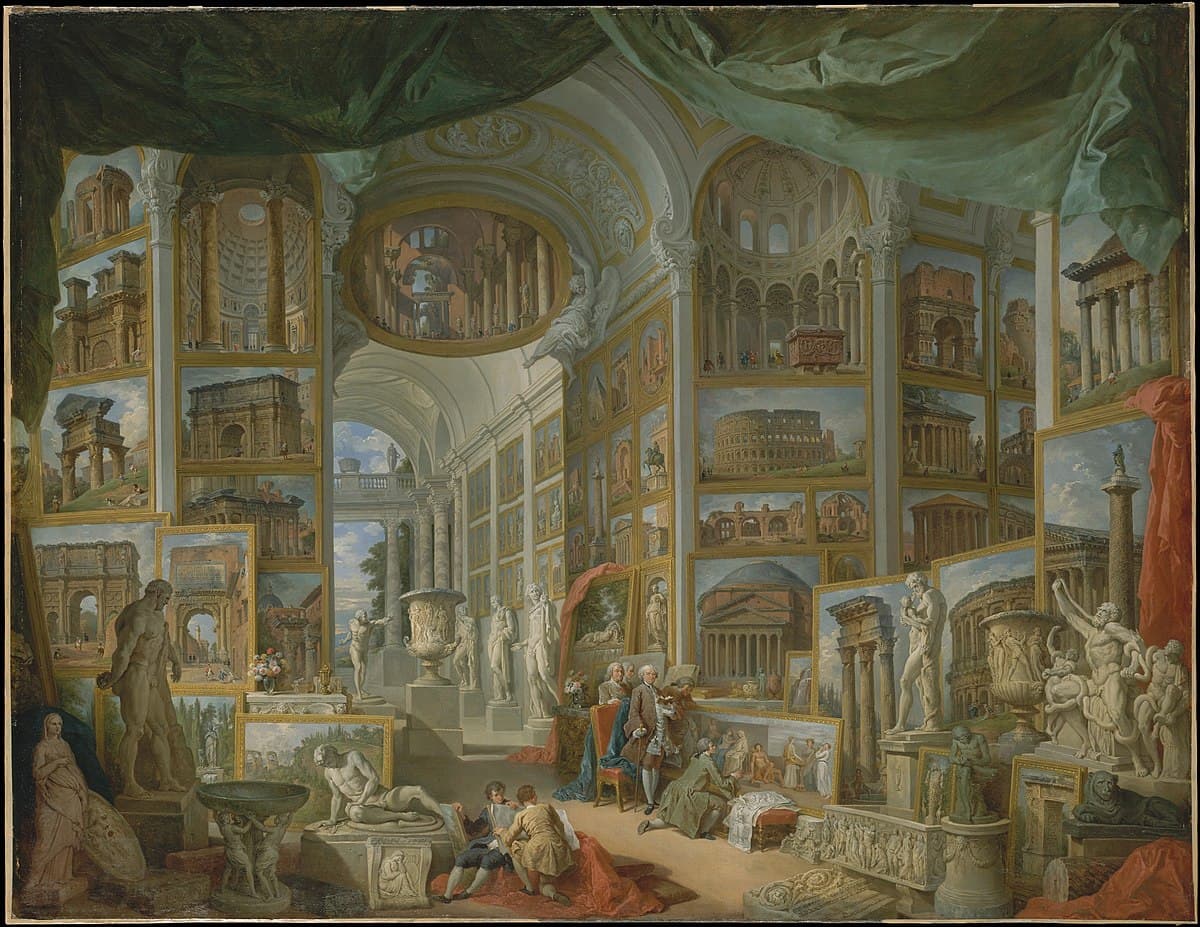
The Aeneid played a foundational role in shaping Roman cultural identity. By merging myth with historical consciousness, Virgil provided Romans with a narrative that explained their origins, justified political structures, and articulated shared moral values. The epic became a cultural touchstone, informing education, civic rituals, and collective memory.
Moreover, the blending of myth and history offered a framework for interpreting contemporary events. Roman citizens and leaders could see their own political challenges and ethical responsibilities reflected in Aeneas’ journey, creating a sense of continuity and purpose. This narrative strategy ensured that literature was not only aesthetically compelling but socially and politically meaningful.
Legacy and Literary Significance
Virgil’s integration of myth and history has had a profound influence on literature and historiography. Later epic poets, from Ovid to Dante, drew on the Aeneid’s techniques of blending narrative, ethical reflection, and historical consciousness. The poem exemplifies how literature can construct cultural memory, articulate collective values, and provide moral exemplars.
The Aeneid also demonstrates the enduring power of epic poetry to negotiate the tension between legend and lived reality. By combining mythic narrative with historical insight, Virgil created a text that instructs, inspires, and reinforces cultural cohesion, illustrating the complex role of literature in shaping identity and collective imagination.
Key Takeaways
-
The Aeneid fuses myth and history to explore Roman identity, cultural values, and civic virtue.
-
Myth provides narrative structure while encoding ethical, political, and moral lessons.
-
Historical consciousness situates the epic within contemporary Roman politics, reflecting civil strife and the Augustan consolidation of power.
-
Prophecy and divine intervention link human action to larger historical and moral frameworks.
-
Allegory and symbolism convey ethical, cultural, and political meanings beyond literal narrative events.
-
Aeneas’ pietas models leadership and ethical responsibility, demonstrating the intersection of personal virtue and civic duty.
-
The epic shaped Roman cultural memory, providing a framework for interpreting both past and present events.
-
Virgil’s techniques influenced later literature, demonstrating the enduring power of blending myth with historical consciousness.
Conclusion
Virgil’s Aeneid exemplifies the dynamic interplay between myth and history, using epic narrative to construct Roman identity and convey ethical and civic ideals. Through allegory, symbolism, and narrative sophistication, the poem transforms legendary events into reflections on leadership, morality, and social responsibility. By intertwining mythological imagination with historical consciousness, Virgil created a work that continues to inform literary study, cultural understanding, and the ethical interpretation of history.