
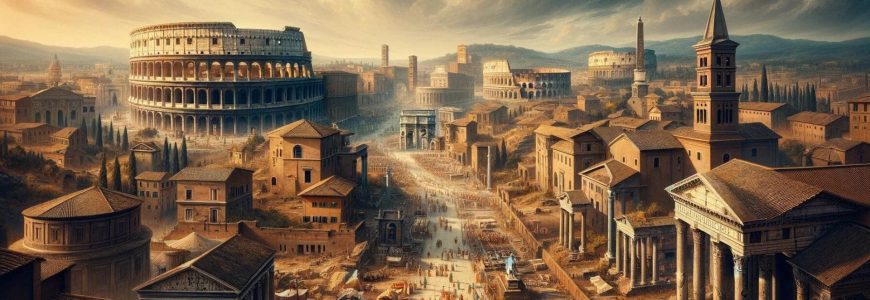
Virgil’s Georgics stands as one of the most influential works in Latin literature, exploring the intersection of labor, morality, and the natural world. Written during a period of political upheaval in late Republican Rome, this didactic poem transcends agricultural instruction, offering profound reflections on ethical responsibility, human endeavor, and the interdependence between people and nature. For scholars, students, and readers interested in classical thought, examining the ethical dimensions of labor in the Georgics illuminates both Virgil’s artistic mastery and the cultural values of his time.
Contextualizing Labor in the Roman World
Understanding the ethical framework of labor in the Georgics requires attention to the historical and social context. Rome in the 1st century BCE faced civil wars, land redistribution, and social instability. Agriculture, the backbone of Roman wealth and stability, became a site of both survival and moral instruction. Virgil’s text, therefore, is as much a reflection on societal order as it is a guide to farming practices.
The poem conveys that labor is not merely a means of subsistence but a moral endeavor. Virgil emphasizes diligence, patience, and respect for natural processes as essential qualities for successful cultivation. This approach aligns with Roman ideals of virtus—the integration of moral integrity, civic responsibility, and practical skill. By framing farming as an ethical practice, Virgil elevates labor from routine activity to a sphere of human excellence and civic virtue.
Labor as Ethical Practice
In the Georgics, work is inseparable from moral responsibility. Virgil repeatedly emphasizes that the quality of effort and attention to detail determine both the material and ethical outcomes of labor. Farmers are depicted as stewards of the land, whose respect for natural cycles reflects their respect for universal order.
Diligence and Patience
Virgil underscores the importance of diligence and patience in agricultural work. Plowing, sowing, and tending livestock are portrayed as disciplined activities requiring sustained attention. The poet suggests that ethical conduct is mirrored in careful observation of the environment: a negligent farmer risks both failure and disharmony with nature. By linking effort to virtue, Virgil presents a model of ethical labor where moral character and practical success are mutually reinforcing.
Respect for Nature’s Autonomy
Another ethical principle in the Georgics is respect for the autonomy of natural forces. Virgil portrays weather, soil fertility, and animal behavior as partially independent elements that demand careful observation and adaptation. Ethical labor involves understanding and working with, rather than against, these forces. This perspective situates humans as participants within a broader natural order, suggesting that ethical labor requires humility, attentiveness, and a willingness to collaborate with the rhythms of the earth.
The Human-Nature Relationship
The Georgics presents a nuanced vision of human-nature relations, emphasizing interdependence rather than domination. Farmers interact with animals, crops, and seasonal cycles in a way that requires knowledge, foresight, and ethical consideration. Virgil portrays nature as a teacher, providing both practical lessons and moral guidance.
Animals as Ethical Mirrors
Animals in the Georgics are depicted not merely as economic resources but as participants in a shared ethical ecosystem. The behavior of bees, horses, and livestock illustrates the consequences of human diligence or neglect. For instance, the meticulous description of beekeeping in Georgic 4 highlights the social and ethical organization of hives, which mirrors the moral and communal order humans are expected to maintain. Observing animal behavior informs agricultural decisions and cultivates ethical sensibilities, reinforcing the interconnectedness of all living systems.
Seasonal Cycles and Moral Order
Virgil also emphasizes the moral and ethical lessons embedded in natural cycles. Seasons dictate planting, harvesting, and tending animals, teaching patience, timing, and respect for limits. The cyclical rhythm of the earth underscores human dependence on forces beyond individual control, fostering an ethic of humility and long-term responsibility. By aligning human labor with natural cycles, the Georgics integrates practical skill with philosophical reflection.
Didactic Purpose and Moral Philosophy

While practical instruction is central, the Georgics’ ethical dimension extends beyond farming. Virgil structures his advice around moral and philosophical principles that resonate with Roman ideas of virtue and justice. The text suggests that the health of the individual, the family, and the state is inseparable from the quality of labor and ethical engagement with nature.
Agriculture, in Virgil’s vision, models the broader responsibilities of citizenship. Just as careful attention to crops and animals produces abundance, conscientious participation in social and civic life fosters communal stability. Neglecting either labor or moral responsibility risks disorder, emphasizing that ethics and practical action are inseparable.
Labor and Human Agency
A central tension in the Georgics involves human agency in relation to nature. Virgil portrays farmers as active agents, capable of shaping outcomes through skill and diligence, yet always constrained by environmental factors. This balance reflects a philosophical understanding of ethics: humans are morally responsible for their actions, but outcomes are contingent on forces beyond control.
This tension encourages thoughtful action and adaptability. Ethical labor is not a guarantee of success but a commitment to process, respect for limits, and attentiveness to the consequences of one’s actions. By framing agency within ecological and moral constraints, Virgil integrates practical, ethical, and philosophical dimensions of human endeavor.
Symbolism and Allegory in Agricultural Labor
Virgil’s poetic craft enhances ethical reflection through symbolism and allegory. Crops, plows, and livestock often represent human virtues and societal dynamics. For example, fertile soil symbolizes both material abundance and the rewards of ethical diligence, while barren fields suggest neglect, moral failure, or social disruption.
Allegorical readings extend to the broader human-nature relationship. Farming practices serve as metaphors for civic engagement, moral cultivation, and the pursuit of harmony within society. This symbolic layer transforms the Georgics from a technical manual into a meditation on ethical life, linking material labor to moral and philosophical inquiry.
Relevance for Modern Readers
The ethical insights of the Georgics remain relevant today, offering lessons for sustainability, responsibility, and the human role within ecological systems. Virgil’s emphasis on diligence, attentiveness, and respect for natural limits resonates with contemporary discussions of environmental stewardship. Labor, whether agricultural, professional, or creative, can be seen as an ethical practice requiring responsibility, patience, and awareness of broader consequences.
Moreover, the poem encourages reflection on interdependence: humans, nature, and society are linked through shared processes, responsibilities, and outcomes. Recognizing these connections fosters ethical sensitivity, whether in individual work, community life, or environmental engagement.
Key Takeaways
- Virgil frames labor in the Georgics as both practical work and ethical practice, emphasizing diligence, patience, and moral responsibility.
- Respect for natural forces is central to ethical labor, situating humans as collaborators within ecological systems.
- Animals and seasonal cycles serve as models and teachers for moral behavior, illustrating interdependence and consequence.
- The Georgics integrates practical instruction with philosophical reflection, aligning agricultural practice with broader ethical principles.
- Symbolism and allegory transform routine labor into a meditation on virtue, civic responsibility, and human agency.
- Ethical labor requires adaptability and attentiveness, balancing human effort with environmental contingencies.
- Virgil’s insights continue to resonate in modern contexts, offering guidance on sustainability, ecological awareness, and responsible work.
- The poem illustrates that moral and practical excellence are inseparable, fostering both personal growth and societal stability.
Conclusion
Virgil’s Georgics offers a profound exploration of the ethics of labor and the human-nature relationship. Through detailed depictions of agricultural work, allegorical structures, and symbolic resonance, the poem presents labor as a moral endeavor intertwined with ecological awareness and social responsibility. By blending practical instruction with ethical reflection, Virgil demonstrates that human effort, attentiveness, and respect for natural order are central to both personal virtue and communal well-being, a lesson that remains compelling for readers across centuries.