
Virgil stands as one of Rome’s most enduring poets, celebrated for the elegance and depth of his literary artistry. His Eclogues and Georgics reveal a sophisticated interplay of imagery, allegory, and symbolism that extends beyond surface storytelling. For students of classical literature, poetry enthusiasts, and cultural historians, exploring these techniques illuminates both the aesthetic brilliance of Virgil’s verse and the intellectual currents of his time. Understanding his poetic craft allows readers to appreciate how literature can encode philosophical, social, and political insights within seemingly simple narratives.
Imagery: Painting Nature and Human Experience
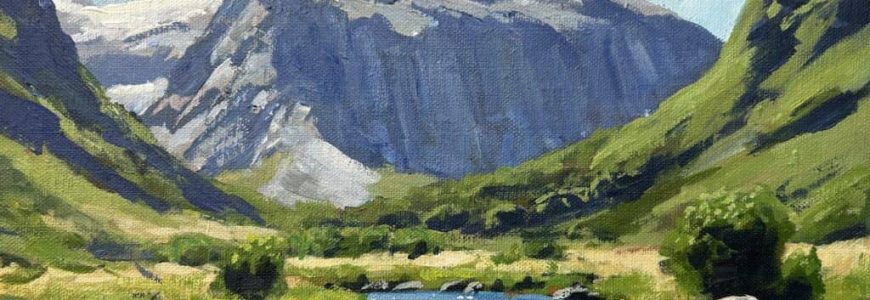
At the core of Virgil’s poetry lies a mastery of imagery, which serves to engage readers’ senses and deepen narrative impact. In the Eclogues, pastoral imagery creates vivid, idyllic landscapes populated by shepherds, flocks, and rustic routines. The visual detail is meticulous: the rhythm of wind through trees, the shifting light across hills, or the gentle movement of rivers all evoke a sense of harmony. These images are more than decorative; they establish a framework through which human emotions—love, loss, longing—are magnified and contextualized.
In the Georgics, imagery shifts toward agricultural realism. Virgil meticulously describes plowing, sowing, animal husbandry, and seasonal cycles, creating a textured understanding of labor and its relationship to the natural world. Here, imagery conveys practical knowledge while also symbolizing the broader moral and philosophical order. The careful depiction of labor underscores the virtues of diligence, patience, and respect for nature, illustrating how aesthetic detail can carry ethical weight.
Beyond visual representation, Virgil’s imagery often appeals to multiple senses simultaneously. In Georgic descriptions of bees, for example, readers encounter the buzz of activity, the scent of flowers, and the tactile interaction of hive-building. This multisensory approach immerses the audience, fostering empathy with both human and natural actors and reinforcing the interconnectedness that underpins much of Virgil’s poetic vision.
Allegory: Layers of Meaning in Pastoral and Didactic Poetry
Allegory is a central component of Virgil’s literary technique, enabling him to address complex social, political, and philosophical ideas within seemingly simple narratives. In the Eclogues, pastoral allegory often reflects the turmoil of contemporary Rome. The exile of landowners, the displacement of shepherds, and the fluctuating fortunes of characters encode commentary on civil unrest, property confiscation, and power dynamics.
Eclogue 1 exemplifies this duality: Tityrus, who retains his land through the patronage of a powerful figure, contrasts sharply with Meliboeus, who loses everything. On one level, the poem portrays a rural encounter between two shepherds; on another, it allegorically reflects societal inequalities and the precariousness of individual fortune in a politically unstable environment. By presenting allegory in pastoral guise, Virgil balances subtlety with clarity, engaging readers emotionally while prompting reflection on broader social realities.
The Georgics, though more didactic in purpose, also utilize allegory. Agricultural processes become metaphors for human labor, civic responsibility, and the moral order of the universe. For instance, cultivating the land parallels cultivating virtue, and the careful tending of animals mirrors the ethical cultivation of community and family. These layered meanings extend the Georgics beyond practical instruction into philosophical reflection, exemplifying the versatility of Virgilian allegory.
Symbolism: Objects, Actions, and Cosmic Order

Virgil employs symbolism to imbue characters, objects, and actions with meanings that resonate beyond their immediate context. In the Eclogues, landscapes, crops, and flocks symbolize stability, prosperity, or the fragility of human life. Displaced characters, for instance, often navigate barren fields or disrupted pastures, symbolizing societal upheaval and the unpredictability of fortune. Conversely, fertile fields and bountiful flocks convey hope, continuity, and moral order.
In the Georgics, symbolic resonance operates on both practical and cosmic levels. Agricultural techniques, seasonal cycles, and animal behavior signify the harmonious interdependence of humanity and nature. For example, the life of bees, meticulously described in Georgic 4, functions as both instruction and emblem: it represents industriousness, social cohesion, and divine order. By embedding symbolism within routine activity, Virgil transforms ordinary labor into a lens for contemplating ethical principles and cosmic patterns.
Symbolism also reinforces thematic contrasts. In both works, objects or actions that appear trivial—like a shepherd’s staff or a turning plow—acquire weight as markers of identity, social hierarchy, or moral responsibility. This dual function ensures that each narrative element resonates on multiple levels, bridging aesthetic pleasure with intellectual engagement.
Interplay Between Pastoral and Didactic Forms
Virgil’s poetic craft is notable for the interplay between pastoral and didactic forms, each leveraging imagery, allegory, and symbolism in complementary ways. The Eclogues, rooted in pastoral tradition, foreground emotional experience, social commentary, and idealized nature. By contrast, the Georgics emphasize instruction, philosophical reflection, and a moral reading of human labor. Despite these differences, both works share a common strategy: the transformation of everyday phenomena into vehicles for broader insight.
This interplay allows readers to experience continuity across Virgil’s oeuvre. The poetic techniques—rich imagery, layered allegory, and resonant symbolism—bridge the intimate, personal world of the shepherd with the structured, labor-focused universe of the farmer. The result is a holistic vision of life in which human effort, ethical conduct, and aesthetic appreciation are inseparably intertwined.
Political and Social Subtext
While imagery, allegory, and symbolism serve aesthetic and philosophical ends, they also encode political and social commentary. In both the Eclogues and Georgics, Virgil addresses the consequences of civil conflict, the redistribution of land, and the ethical responsibilities of those in power. Pastoral displacement and agricultural diligence become metaphors for justice, governance, and communal stability.
For example, Eclogue 4 envisions the birth of a child who will inaugurate a renewed era of peace. Though couched in pastoral prophecy, the poem carries political undertones, reflecting hope for societal renewal under Augustus. Similarly, in the Georgics, the cultivation of land mirrors the cultivation of civic virtue, implying that moral and political order depends on human diligence and adherence to natural and ethical laws. Virgil thus merges poetic craft with practical wisdom, illustrating how literature can engage with contemporary issues subtly yet profoundly.
Influence on Later Literary Traditions
Virgil’s techniques influenced centuries of European literature. Renaissance poets, including Edmund Spenser and John Milton, adapted Virgilian imagery and allegorical strategies to blend aesthetic elegance with social and political commentary. Pastoral and didactic forms became vehicles for exploring morality, governance, and human psychology, reflecting Virgil’s example of merging narrative beauty with intellectual depth.
Symbolism, too, persisted as a central literary tool. The depiction of natural processes and objects as morally and philosophically resonant elements inspired poets, novelists, and essayists seeking to convey complex ideas without overt exposition. By studying Virgil, modern readers and writers gain insight into the enduring power of poetic craft: the ability to encode ethical, philosophical, and political reflections within artful, engaging narratives.
The Interconnectedness of Aesthetic and Ethical Insight
Virgil demonstrates that aesthetic enjoyment and ethical reflection are not mutually exclusive. Imagery captivates the senses, allegory provokes thought, and symbolism conveys layered meanings. Together, these elements create poetry that educates, entertains, and engages. The Eclogues and Georgics exemplify how literary artistry can illuminate human experience, social responsibility, and the rhythms of the natural world.
This interconnectedness invites readers to consider literature as a tool for moral and intellectual exploration. By observing the precision of Virgil’s images, the subtlety of his allegories, and the resonance of his symbols, readers gain both sensory pleasure and cognitive insight, reflecting the holistic ambition of Roman literary culture.
Key Takeaways
- Virgil’s imagery in the Eclogues and Georgics enhances sensory engagement and deepens emotional and philosophical resonance.
- Allegory allows Virgil to address social, political, and ethical issues within pastoral and didactic contexts.
- Symbolism transforms everyday objects, actions, and natural processes into reflections of moral and cosmic order.
- The interplay between pastoral and didactic forms bridges emotional, intellectual, and practical concerns.
- Political and social subtexts permeate Virgil’s work, from displacement in the Eclogues to civic ethics in the Georgics.
- Virgil’s poetic craft influenced Renaissance and later European literature, inspiring narrative sophistication and moral reflection.
- The combination of aesthetic pleasure and ethical insight demonstrates the enduring relevance of Virgil’s artistry.
- Understanding these techniques provides readers with a richer comprehension of both Roman culture and the universal human condition.
Conclusion
Virgil’s Eclogues and Georgics exemplify the power of poetry to merge aesthetic beauty with intellectual and ethical exploration. Through careful imagery, multilayered allegory, and resonant symbolism, Virgil transforms pastoral scenes and agricultural labor into reflections on society, morality, and human experience. His poetic craft continues to influence literary traditions, demonstrating how art can simultaneously delight the senses, provoke thought, and illuminate the enduring dynamics of the natural and social world.