
Virgil’s Eclogues, composed in the late 1st century BCE, remain a cornerstone of Latin literature, bridging poetry, politics, and philosophy. Far from mere idyllic depictions of rural life, these poems weave together pastoral imagery with subtle commentary on the political and social upheavals of Virgil’s time. For students of classical literature, historians, and poetry enthusiasts, understanding these dual layers—pastoral aesthetics and political reflection—offers a richer appreciation of Virgil’s enduring influence.
The Pastoral Framework: Nature as Literary Canvas
The Eclogues present a vision of the countryside that is simultaneously idealized and instructive. In these poems, shepherds, rustic landscapes, and simple lives create a world removed from the urban chaos of Rome. This pastoral framework serves several literary purposes.
Firstly, it establishes a contrast between the ordered rhythms of rural life and the disorder of contemporary society. Virgil’s shepherds engage in poetic contests, sing of love, and mourn personal losses, yet their world operates under natural cycles of growth, decay, and renewal. This idealization is not escapism; it is a lens through which Virgil explores the consequences of political instability.
Secondly, pastoral imagery allows for philosophical reflection. Nature becomes a mirror for human emotions, ethical questions, and social critique. The simplicity of the rural setting amplifies the poignancy of the poets’ laments and the serenity of their joys. By situating political and personal concerns in an imagined countryside, Virgil subtly comments on the universal human desire for stability and order.
Historical Context: Rome in Transition
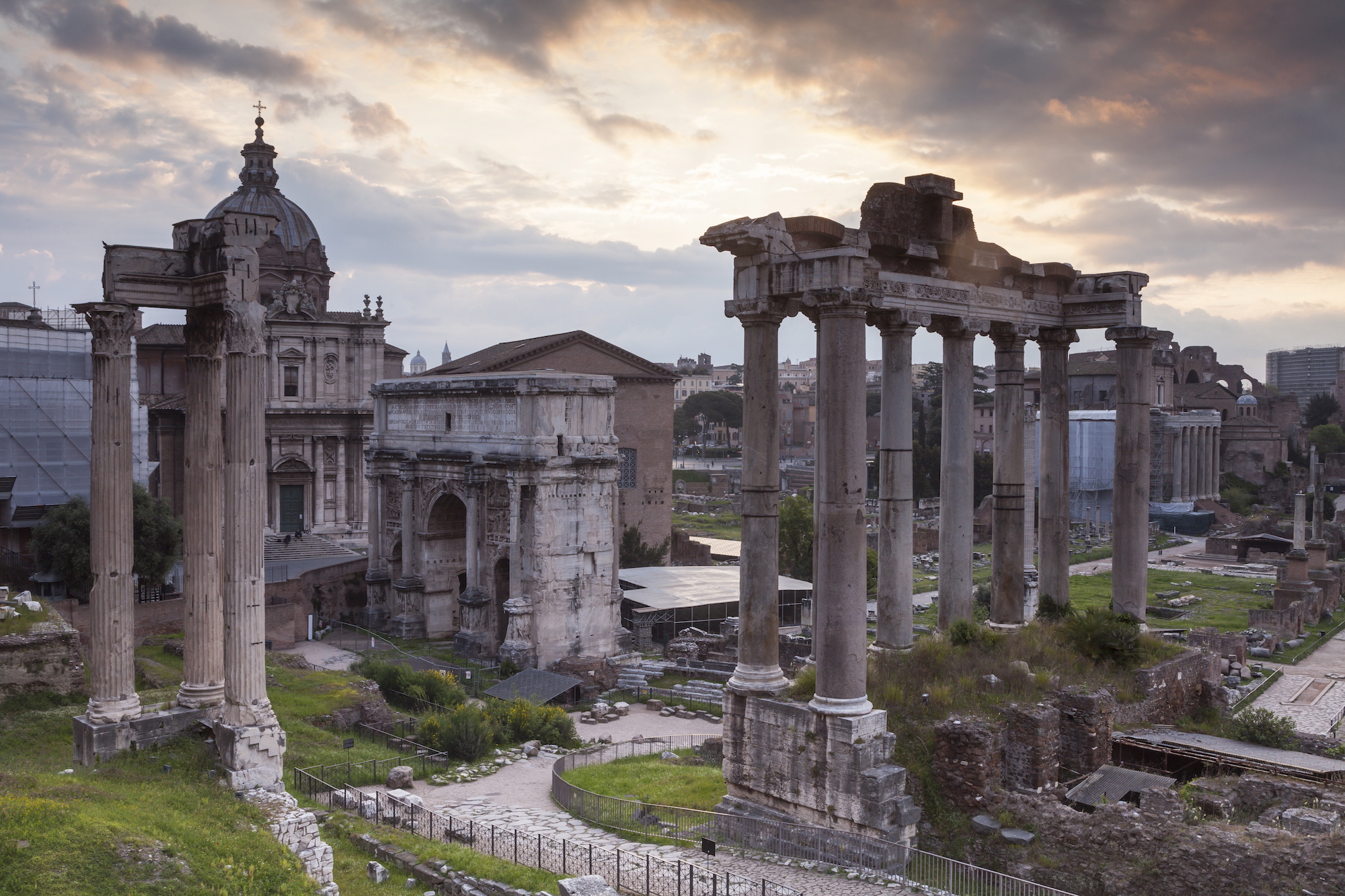
The political backdrop of Virgil’s Eclogues is crucial for understanding their layered meaning. Composed during the aftermath of the Roman civil wars, including the conflict between Octavian and Antony, these poems reflect a society marked by land confiscations, social displacement, and uncertainty. Virgil himself witnessed the forced redistribution of lands in his native Mantua, a personal experience mirrored in his poetry.
This context transforms the pastoral into a vehicle for social commentary. For instance, in Eclogue 1, Tityrus represents the poet-protector figure who retains his property under the patronage of a powerful authority, while Meliboeus, who loses his land, embodies the plight of the dispossessed. The dialogue between these characters highlights the tension between individual fortune and systemic injustice, demonstrating how pastoral fiction can illuminate real-world struggles.
Political Allegory Within Pastoral Narrative
Virgil’s Eclogues frequently embed political allegory within ostensibly simple rural narratives. By casting contemporary events in pastoral terms, Virgil navigates the dangerous terrain of commentary without direct confrontation—a necessity under Rome’s volatile power structures.
In Eclogue 4, often referred to as the “Messianic Eclogue,” the poet envisions the birth of a child who will usher in a new golden age. While framed in the language of bucolic prophecy, scholars widely interpret this as an oblique reference to political hope under Augustus. Similarly, other eclogues juxtapose land ownership, exile, and labor disputes against natural backdrops, encoding social critique within the pastoral.
This technique illustrates the adaptability of pastoral poetry. The rural setting permits coded discussion of power, loss, and redemption while preserving the artistic integrity of the genre. The allegorical approach also engages readers on multiple levels: as lovers of poetry, they appreciate the narrative beauty; as observers of society, they discern the political subtext.
Interpersonal Dynamics and Social Commentary
Beyond politics, Virgil uses pastoral to explore human relationships and ethical questions. Shepherds’ dialogues often revolve around friendship, rivalry, love, and loyalty. These microcosmic interactions mirror societal hierarchies and tensions.
For instance, the competitive singing contests—amoebaean exchanges—highlight social negotiation through skill, wit, and persuasion. Such interactions reflect broader societal dynamics, suggesting that harmony and conflict exist at all levels of community. The pastoral environment, with its apparent simplicity, allows for nuanced examination of these ethical and interpersonal concerns without explicit reference to urban or political institutions.
Moreover, Virgil contrasts idealized pastoral friendship with the harsh realities of political favoritism and social displacement. Through characters’ reflections on loss and exile, readers grasp the psychological impact of systemic injustice, framed through the familiar lens of rural life.
Literary Techniques: Allegory, Symbolism, and Contrasts

Virgil’s mastery lies in his integration of literary devices to convey complex ideas subtly. Allegory transforms shepherds and landscapes into symbols of political and social realities. For example, land, often depicted as fertile or barren, parallels fortune, justice, and societal stability. Loss of property in the eclogues signals disruption, while pastoral renewal suggests hope for restoration.
Symbolism extends to characters’ personal traits and actions. Tityrus’ leisure and cultivated song may represent the intellectual elite or poet-protectors in Roman society, whereas Meliboeus’ displacement embodies broader civil suffering. These contrasts are intensified through Virgil’s poetic diction, rhythm, and imagery, making the poems resonate on both emotional and intellectual levels.
The interplay between ideal and real—the pastoral as both dream and commentary—creates a tension that defines the Eclogues. Readers are invited to enjoy aesthetic pleasure while remaining attuned to underlying critique. This dual function ensures that the poems remain relevant, transcending their immediate historical context.
Virgil’s Influence on Later Literature
The political and pastoral dimensions of the Eclogues had lasting influence across centuries. Renaissance poets, including Edmund Spenser and John Milton, drew on Virgilian pastoral to engage with political and moral themes, blending idealized landscapes with social reflection.
Similarly, the allegorical use of the countryside as a forum for commentary inspired European literary traditions, from Elizabethan drama to Romantic poetry. In all cases, Virgil’s method—embedding complex social observation within poetic imagery—demonstrates the power of literature to negotiate public discourse safely and artistically.
Moreover, the Eclogues illustrate a literary strategy that remains pertinent today: the use of narrative, metaphor, and imaginative setting to illuminate societal issues while captivating readers. Modern poets, novelists, and essayists continue to employ analogous techniques, whether addressing political oppression, social inequality, or cultural change.
Balancing Aesthetic Pleasure and Intellectual Engagement
One of the enduring strengths of Virgil’s Eclogues is the balance between aesthetic enjoyment and intellectual engagement. Readers can appreciate the rhythm, elegance, and vivid imagery while simultaneously encountering layered commentary on governance, justice, and human resilience.
This dual appeal is facilitated by the pastoral mode itself. By situating reflection within nature, Virgil provides psychological and ethical distance, enabling contemplation of difficult topics in a context that is both soothing and compelling. The poems’ ability to operate on multiple levels contributes to their continued study and admiration, bridging the gap between literary artistry and historical insight.
Key Takeaways
-
Virgil’s Eclogues use pastoral imagery not only to depict rural life but also to frame social and political commentary.
-
Historical context, including land confiscations and civil wars, informs the allegorical and symbolic content of the poems.
-
Political allegory is often embedded subtly, allowing critique of Roman society without direct confrontation.
-
Interpersonal dynamics among pastoral figures reflect ethical questions and societal hierarchies.
-
Literary devices such as allegory, symbolism, and contrast enhance the poems’ intellectual and emotional resonance.
-
Virgil’s approach influenced later European literature, establishing pastoral as a vehicle for social reflection.
-
The balance of aesthetic beauty and political insight ensures the Eclogues’ enduring relevance.
-
Pastoral poetry can communicate complex ideas about justice, displacement, and human desire for stability.
Conclusion
Virgil’s Eclogues are far more than idyllic sketches of the countryside. They function as sophisticated explorations of human experience and societal order, using pastoral ideals to comment on political realities. Through allegory, symbolic landscapes, and carefully structured dialogue, Virgil addresses both personal and collective concerns. His ability to intertwine aesthetic pleasure with profound reflection ensures that the Eclogues remain a touchstone for literature, history, and cultural study. By examining the delicate interplay of pastoral imagery and political commentary, readers gain insight into the timeless ways art can illuminate society and human nature alike.