
Virgil’s Aeneid is far more than a national epic celebrating Rome’s origins. Written in the aftermath of civil war, it is a meditation on loss, displacement, moral responsibility, and the cost of building a new political order. For modern readers, the poem offers a powerful framework for understanding how war reshapes human identity and how heroism can coexist with suffering and doubt.
The Aeneid in Historical and Cultural Context
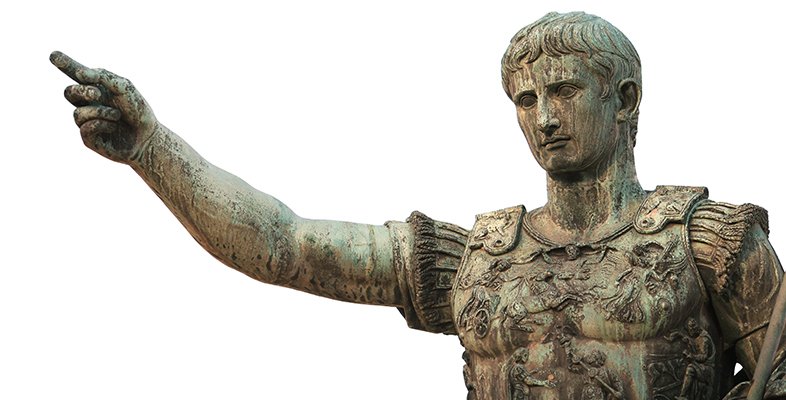
Virgil composed The Aeneid during the reign of Augustus, a period marked by political consolidation after decades of brutal Roman civil wars. Officially, the poem supports the Augustan vision: Rome’s destiny is divinely ordained, and order emerges from chaos. Yet beneath this surface lies a more complex, often uneasy perspective.
The poem looks backward to Troy’s destruction and forward to Rome’s imperial future. This double vision allows Virgil to explore foundational myths while addressing contemporary anxieties about violence, legitimacy, and moral compromise. Unlike Homer’s epics, which center on heroic glory, The Aeneid repeatedly asks what is lost when history moves forward.
Aeneas is not simply a triumphant founder. He is a survivor of catastrophe, a refugee navigating a hostile world. His journey reflects Roman ideals, but it also exposes their human cost.
War as Trauma, Not Triumph
The Fall of Troy: War Without Glory
The poem opens in the shadow of war already lost. Troy does not fall through heroic combat but through deception—the Trojan Horse. Virgil’s depiction of Troy’s destruction is vivid and personal: burning homes, slaughtered families, and the collapse of an entire civilization.
This portrayal strips war of romanticism. Victory belongs to the Greeks, but the emotional center lies with the defeated. Aeneas’ memories of Troy function as traumatic flashbacks, shaping his actions long after the city’s ashes have cooled.
War, in The Aeneid, is not a proving ground for honor; it is a force that displaces, fragments, and scars.
Cycles of Violence in Italy
When Aeneas reaches Italy, war erupts again. Despite divine promises of peace, conflict seems unavoidable. The battles against Turnus and the Rutulians echo Troy’s fall, suggesting that history repeats its violence even as it claims to progress.
Virgil emphasizes how quickly alliances harden into hatred and how easily personal grievances escalate into collective slaughter. The Italian war is not morally simpler than the Trojan War. Both sides have legitimate claims, and both suffer devastating losses.
By framing Rome’s birth within renewed bloodshed, Virgil challenges the idea that imperial foundations are morally clean.
Exile and the Search for Belonging
Aeneas as a Refugee Hero
Unlike Odysseus, who longs to return home, Aeneas has no home to return to. Troy is gone forever. His journey is not a nostos (homecoming) but a search for a place that does not yet exist.
This makes Aeneas one of literature’s earliest refugee figures. He carries his household gods, his father, and his people across the Mediterranean, embodying cultural survival rather than individual adventure.
Exile in The Aeneid is not temporary displacement; it is a permanent condition. Even when Aeneas reaches Italy, he remains an outsider whose presence provokes fear and resistance.
Loss as a Defining Experience
Throughout the epic, exile is accompanied by repeated loss. Aeneas loses his wife Creusa during Troy’s fall, leaves behind Dido in Carthage, and sacrifices personal happiness for an abstract future.
These losses are not incidental; they define Aeneas’ identity. His sense of duty (pietas) grows directly from what he has endured. Virgil presents exile as both a burden and a moral education, shaping leaders who understand suffering because they have lived it.
Redefining Heroism: Pietas Over Glory
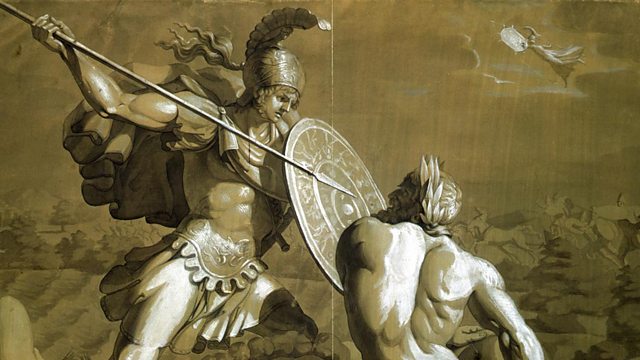
A Hero Who Endures Rather Than Conquers
Traditional epic heroes seek honor through personal excellence in battle. Aeneas’ heroism is fundamentally different. His defining quality is pietas—a sense of duty toward gods, family, and destiny.
This often places him at odds with his own desires. He suppresses grief, abandons love, and accepts responsibility even when it brings no immediate reward. Heroism here is not self-expression but self-restraint.
Virgil’s Aeneas is compelling precisely because he is not emotionally invulnerable. He doubts, hesitates, and mourns, making his perseverance more human and morally complex.
The Cost of Duty
Pietas demands sacrifice, and Virgil never lets the reader forget its price. Aeneas’ obedience to fate causes collateral damage: Dido’s suicide, prolonged wars, and countless deaths.
The poem repeatedly asks whether fulfilling destiny justifies the suffering it entails. Virgil does not provide a simple answer. Instead, he forces readers to confront the uncomfortable truth that political stability often rests on personal tragedy.
Heroism, in this vision, is inseparable from ethical tension.
Divine Will and Human Responsibility
Gods as Forces, Not Moral Guides
The Olympian gods in The Aeneid are powerful but not morally exemplary. Their rivalries prolong conflict and intensify suffering. Juno’s resentment, in particular, drives much of the poem’s violence.
Rather than offering moral clarity, the gods represent uncontrollable historical forces—fate, chance, and inherited hostility. Humans must act within constraints they did not choose.
This dynamic raises questions about responsibility. If fate is fixed, how accountable are individuals for their actions? Virgil suggests that while destiny sets the path, human choices still shape how that path is walked.
Fate as Burden
Aeneas does not embrace fate enthusiastically. He submits to it. The future promised to him is grand but impersonal: the rise of Rome, not his own happiness.
Fate in The Aeneid is less a reward than an obligation. It demands endurance rather than fulfillment, reinforcing the poem’s sober understanding of historical progress.
The Tragic Undercurrent of Rome’s Founding
Turnus as a Mirror Figure
Turnus, Aeneas’ Italian rival, is not portrayed as a villain. He is brave, passionate, and defending his homeland. In many ways, he resembles the Homeric heroes more closely than Aeneas does.
This parallel complicates the poem’s moral landscape. Rome’s future requires Turnus’ defeat, but his death feels tragic rather than triumphant. When Aeneas kills Turnus in the final scene, the act is driven by anger, not serene justice.
Virgil ends the epic abruptly, denying readers a moment of resolution. The founding act of Rome is stained with rage and blood, leaving ethical questions deliberately unresolved.
Progress Built on Loss
The poem’s final image reinforces its central tension: history advances, but individuals are crushed in the process. Rome’s greatness emerges not from pure virtue but from accumulated suffering.
Virgil neither fully endorses nor condemns this reality. Instead, he records it with somber clarity, inviting readers to reflect on the moral costs of political order.
Why The Aeneid Still Matters
A Timeless Exploration of Displacement and Power
Themes of war, exile, and reluctant leadership make The Aeneid strikingly relevant today. The poem speaks to societies shaped by migration, conflict, and contested narratives of national identity.
Aeneas’ experience resonates with modern discussions about refugees, postwar reconstruction, and the ethical dilemmas faced by leaders in times of crisis.
Literature as Moral Inquiry
Rather than offering clear lessons, Virgil uses epic poetry to ask enduring questions: Can violence create lasting peace? Is obedience to destiny morally sufficient? What kind of heroism does a fractured world require?
These questions remain unresolved, which is precisely why the poem continues to engage readers across centuries.
Key Takeaways
-
The Aeneid portrays war as a source of trauma and loss, not heroic glory.
-
Exile is central to Aeneas’ identity, shaping him as a refugee leader rather than a conquering hero.
-
Virgil redefines heroism through pietas, emphasizing duty and endurance over personal fame.
-
The gods represent historical forces more than moral authority, complicating ideas of responsibility.
-
Rome’s founding is depicted as ethically complex, built on sacrifice and unresolved violence.
-
Characters like Turnus highlight the tragic costs of political destiny.
-
The poem invites reflection on leadership, displacement, and the human cost of progress.
Conclusion
Virgil’s Aeneid offers a profound and often unsettling vision of human struggle. By intertwining war, exile, and redefined heroism, the poem challenges readers to reconsider what it means to build a future from the ruins of the past. Rather than celebrating victory without question, Virgil preserves the voices of loss within Rome’s origin story. In doing so, he transforms epic poetry into a lasting exploration of moral responsibility in a world shaped by conflict.